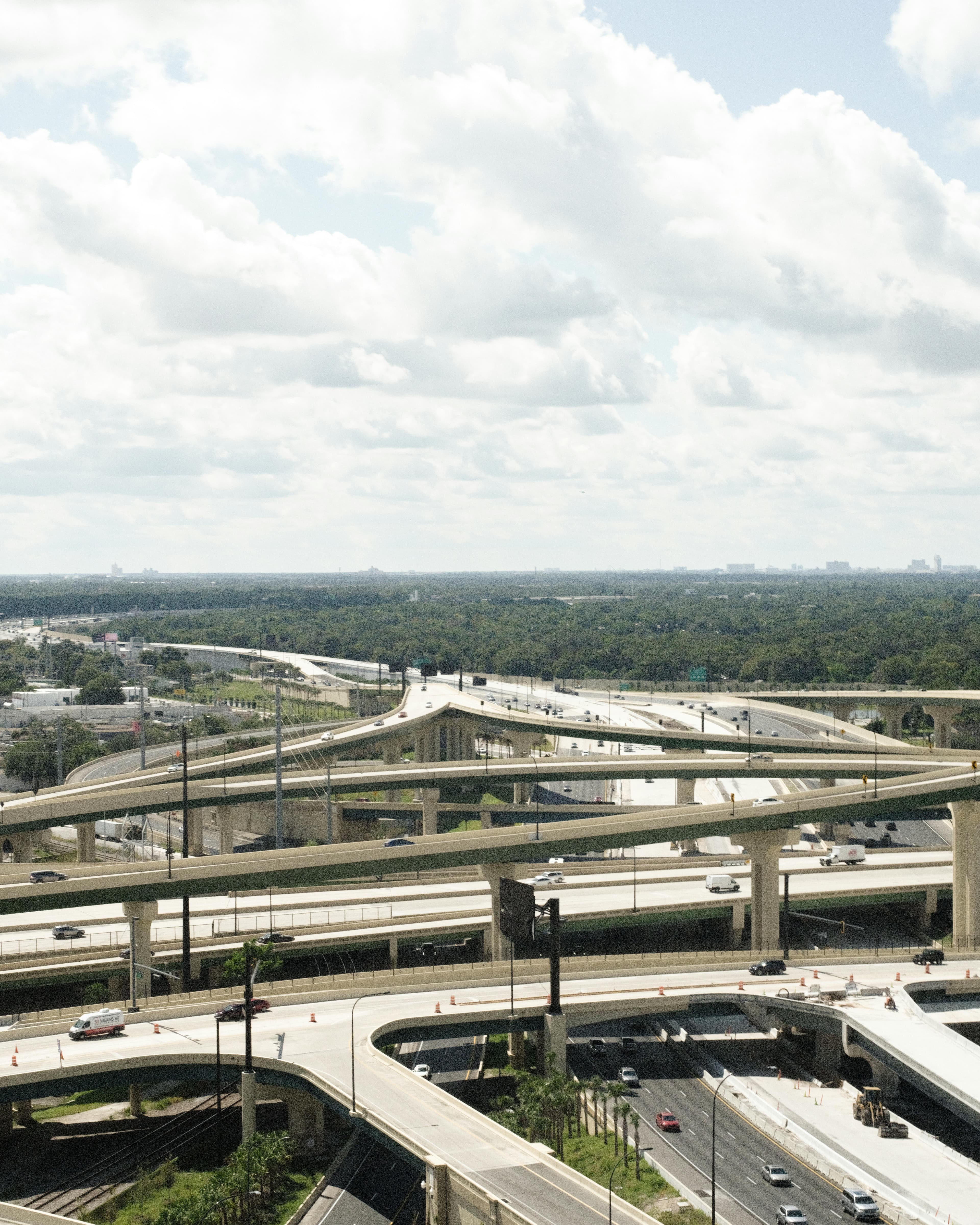
Global economic and geopolitical events have a direct impact on India’s construction and infrastructure industry. Conflicts in oil-producing regions have pushed crude oil prices higher, creating a ripple effect across sectors that rely heavily on fuel and petroleum-based products.
One of the most affected materials is bitumen, a key component in road construction. Since bitumen is derived from crude oil, any increase in global oil prices directly raises bitumen costs. This affects road construction budgets, tender rates, and project feasibility, particularly for large-scale highway and rural connectivity projects.
Higher fuel prices also increase transportation and logistics costs. Construction projects rely on the movement of materials such as cement, aggregates, steel, and machinery. Rising diesel prices make transportation more expensive, increasing overall project costs and squeezing contractor margins.
In addition, global shipping disruptions and higher freight insurance premiums further increase the cost of imported materials and equipment. These factors collectively drive inflation in the construction sector, affecting both public and private infrastructure projects.
Despite these challenges, India’s infrastructure push continues to remain strong. Government investments in roads, bridges, urban infrastructure, and renewable energy projects are creating significant opportunities for contractors and suppliers. Large-scale programs and public infrastructure initiatives are generating consistent demand for road construction, civil works, and sustainable energy projects.
To manage rising costs and ensure project success, construction companies must focus on efficient project planning, better procurement strategies, and innovative construction methods. Sustainable solutions such as solar rooftop installations, energy-efficient construction techniques, and improved project management practices can help reduce long-term operational costs.
While global events may influence material and fuel prices, India’s long-term development goals remain firm. Strong infrastructure investment will continue to play a critical role in economic growth, employment generation, and the country’s journey toward becoming a developed nation.